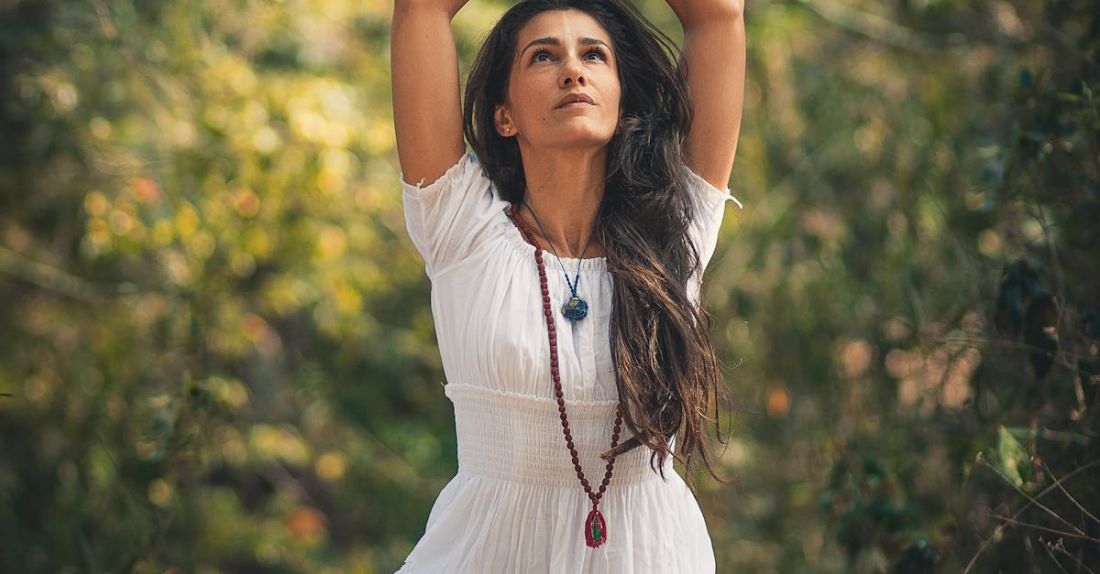
Yoga has long been celebrated for its ability to reduce stress levels and promote overall well-being. In today’s fast-paced world, stress has become a common part of daily life for many people. The practice of yoga offers a holistic approach to managing stress, incorporating physical postures, breathing techniques, and mindfulness to cultivate a sense of calm and relaxation. By integrating these elements into a regular yoga practice, individuals can experience a profound reduction in stress levels and an improved quality of life.
The Mind-Body Connection
One of the key ways in which yoga helps reduce stress is by fostering a strong mind-body connection. Through the practice of yoga postures, known as asanas, individuals are encouraged to focus on their breath and the sensations in their body. This heightened awareness can help to quiet the mind and bring a sense of presence to the present moment. By tuning into the body and breath, individuals can release tension and stress that may be held in the physical body, promoting a sense of relaxation and ease.
Breathing Techniques
Breath is a powerful tool in managing stress, and yoga places a strong emphasis on breath awareness and control. Pranayama, or yogic breathing techniques, are an integral part of a yoga practice and can help to calm the nervous system and reduce stress levels. By practicing deep, mindful breathing, individuals can activate the parasympathetic nervous system, which is responsible for the body’s relaxation response. This can help to counteract the effects of the sympathetic nervous system, which is responsible for the body’s stress response. By incorporating breathing techniques into their practice, individuals can learn to manage stress more effectively and cultivate a sense of inner peace.
Mindfulness and Meditation
Another key component of yoga that can help reduce stress is mindfulness and meditation. Mindfulness involves paying attention to the present moment with an open and non-judgmental attitude. Through mindfulness practices, individuals can learn to observe their thoughts and emotions without becoming attached to them, which can help to reduce stress and anxiety. Meditation, a practice of focused attention and concentration, can also help to calm the mind and promote a sense of inner stillness. By incorporating mindfulness and meditation into a yoga practice, individuals can develop greater resilience to stress and cultivate a sense of mental clarity and emotional balance.
Physical Benefits
In addition to its mental and emotional benefits, yoga also offers a range of physical benefits that can help reduce stress levels. The practice of yoga postures can help to release tension in the muscles, improve flexibility, and promote overall physical well-being. Physical activity has been shown to reduce levels of the stress hormone cortisol in the body, leading to a decrease in stress and anxiety. By engaging in a regular yoga practice, individuals can experience a sense of physical relaxation and rejuvenation that can help to counteract the effects of chronic stress.
The Power of Relaxation
One of the most powerful ways in which yoga reduces stress is through the practice of relaxation. Savasana, or corpse pose, is a posture typically practiced at the end of a yoga session that involves lying on the back in a state of deep relaxation. This posture allows the body and mind to fully relax and release any remaining tension, promoting a sense of calm and tranquility. By incorporating relaxation techniques into their practice, individuals can learn to let go of stress and tension, leading to a greater sense of peace and well-being.
In conclusion, yoga offers a multifaceted approach to reducing stress levels and promoting overall health and well-being. By integrating physical postures, breathing techniques, mindfulness, and relaxation into a regular practice, individuals can experience a profound reduction in stress and an increased sense of calm and balance. Whether you are new to yoga or have been practicing for years, incorporating these elements into your practice can help you manage stress more effectively and live a more balanced and harmonious life. By making yoga a part of your daily routine, you can cultivate a greater sense of peace, presence, and resilience in the face of life’s challenges.