Antioxidants are powerful compounds that play a crucial role in protecting our bodies from the harmful effects of free radicals. Free radicals are unstable molecules that can damage cells and contribute to various health issues, including inflammation, aging, and chronic diseases. In this article, we will explore how antioxidants work to safeguard our bodies and promote overall well-being.
The Role of Antioxidants in the Body
Antioxidants are substances that can neutralize free radicals by donating an electron, thus stabilizing them and preventing them from causing harm. Our bodies naturally produce some antioxidants, but we also need to obtain others from our diet, primarily from fruits, vegetables, nuts, and seeds. Common antioxidants include vitamins C and E, beta-carotene, and flavonoids.
Protecting Cells from Oxidative Stress
Oxidative stress occurs when there is an imbalance between free radicals and antioxidants in the body, leading to cellular damage. Antioxidants help combat oxidative stress by scavenging free radicals and reducing their harmful effects. By protecting cells from damage, antioxidants play a key role in maintaining overall health and well-being.
Supporting the Immune System
A strong immune system is essential for fighting off infections and diseases. Antioxidants help support the immune system by reducing inflammation and enhancing immune cell function. By neutralizing free radicals and promoting a healthy immune response, antioxidants can help the body defend itself against pathogens and maintain optimal immune function.
Reducing Inflammation
Chronic inflammation is linked to a variety of health conditions, including heart disease, diabetes, and autoimmune disorders. Antioxidants have anti-inflammatory properties that can help reduce inflammation in the body. By inhibiting inflammatory pathways and neutralizing free radicals, antioxidants can help prevent and manage inflammatory conditions, promoting better overall health.
Protecting Against Chronic Diseases
The role of antioxidants in protecting against chronic diseases is well-documented. By neutralizing free radicals and reducing oxidative stress, antioxidants can help lower the risk of developing conditions such as heart disease, cancer, and neurodegenerative disorders. Including antioxidant-rich foods in your diet can significantly contribute to reducing the risk of chronic diseases and supporting long-term health.
Promoting Healthy Aging
Aging is a natural process that is influenced by various factors, including oxidative stress and inflammation. Antioxidants play a crucial role in promoting healthy aging by protecting cells from damage, reducing inflammation, and supporting overall health. Including a variety of antioxidant-rich foods in your diet can help slow down the aging process and promote vitality and longevity.
Maintaining Skin Health
The skin is constantly exposed to environmental stressors, such as UV radiation and pollution, which can lead to premature aging and skin damage. Antioxidants play a vital role in maintaining skin health by protecting against oxidative stress and reducing inflammation. Including antioxidants in your skincare routine and diet can help promote healthy, youthful-looking skin and protect against damage caused by external factors.
Enhancing Brain Function
The brain is highly susceptible to oxidative damage due to its high metabolic rate and high concentration of fats. Antioxidants play a crucial role in supporting brain health by protecting neurons from damage, reducing inflammation, and promoting optimal cognitive function. Including antioxidant-rich foods in your diet can help support brain health and cognitive function, potentially reducing the risk of neurodegenerative disorders.
Incorporating Antioxidants into Your Diet
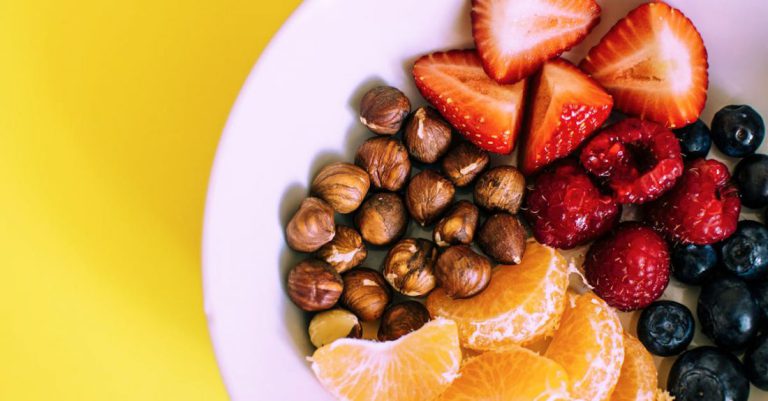
To reap the benefits of antioxidants, it is essential to include a variety of antioxidant-rich foods in your diet. Fruits such as berries, citrus fruits, and grapes, as well as vegetables like spinach, kale, and broccoli, are excellent sources of antioxidants. Nuts, seeds, and whole grains also contain antioxidants that can support overall health. Additionally, incorporating herbs and spices like turmeric, cinnamon, and oregano into your meals can provide additional antioxidant benefits.
In conclusion, antioxidants play a crucial role in protecting our bodies from the damaging effects of free radicals. By neutralizing free radicals, reducing oxidative stress, and supporting overall health, antioxidants help promote vitality, longevity, and well-being. Including a variety of antioxidant-rich foods in your diet can help you harness the power of antioxidants and support your body in maintaining optimal health and function.