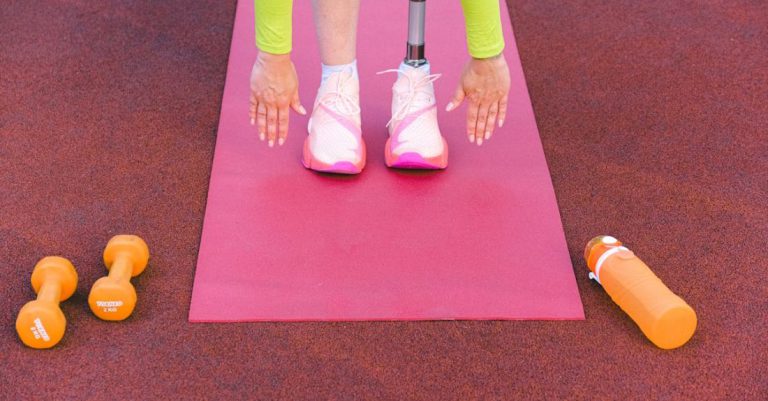
Flexibility Exercises: The Key to Injury Prevention
In the world of fitness and physical activity, injuries can be a common and frustrating setback. Whether you are an athlete, a weekend warrior, or someone who simply enjoys staying active, the last thing you want is to be sidelined by an injury. This is where flexibility exercises come into play as a crucial component of injury prevention. By incorporating these exercises into your routine, you can significantly reduce the risk of getting sidelined by aches, pains, and more serious injuries.
The Importance of Flexibility
Flexibility, often overlooked in favor of strength and endurance training, plays a vital role in overall physical health and performance. Flexibility refers to the ability of your joints to move through their full range of motion. When you have good flexibility, your body can move more freely and efficiently, reducing the strain on your muscles and joints during physical activity. This increased range of motion not only improves your performance but also helps to prevent injuries.
Enhanced Joint Health
One of the primary benefits of flexibility exercises is improved joint health. When your joints are flexible, they are better able to absorb impact and distribute forces evenly during movement. This reduces the risk of overloading a particular joint or muscle group, which can lead to strains, sprains, or more serious injuries. By regularly stretching and lengthening the muscles surrounding your joints, you can maintain optimal joint function and reduce the likelihood of injury.
Muscle Elasticity and Injury Prevention
In addition to promoting joint health, flexibility exercises also help to improve muscle elasticity. Flexible muscles are better able to withstand sudden movements or changes in direction without becoming strained or injured. When muscles are tight and inflexible, they are more prone to tears, strains, and other types of injuries. By incorporating stretching and flexibility exercises into your routine, you can keep your muscles supple and resilient, reducing the risk of injury during physical activity.
Improved Posture and Alignment
Flexibility exercises can also have a positive impact on your posture and alignment. Poor posture can lead to muscle imbalances, joint misalignment, and increased stress on certain areas of the body, all of which can contribute to the risk of injury. By stretching and strengthening the muscles that support good posture, you can improve your body alignment and reduce the strain on your muscles and joints. This, in turn, can help prevent injuries caused by poor posture or alignment during exercise or everyday activities.
Preventing Overuse Injuries
Overuse injuries, such as tendonitis or stress fractures, are common among individuals who engage in repetitive physical activities. These injuries occur when the same muscles and joints are used repeatedly without adequate rest or recovery. Flexibility exercises can help prevent overuse injuries by promoting proper muscle balance and reducing the strain on specific muscle groups. By incorporating stretching and mobility exercises into your routine, you can ensure that all muscle groups are equally flexible and strong, reducing the risk of overuse injuries caused by muscle imbalances or weaknesses.
The Role of Dynamic Stretching
Dynamic stretching, which involves moving through a range of motion with controlled movements, is an effective way to improve flexibility and prepare your body for physical activity. Unlike static stretching, which involves holding a stretch for a prolonged period, dynamic stretching helps to increase blood flow to the muscles and improve muscle elasticity. By incorporating dynamic stretching exercises into your warm-up routine, you can enhance your flexibility, range of motion, and overall performance while reducing the risk of injury.