In today’s fast-paced world, maintaining optimal health is a top priority for many individuals. While a balanced diet and regular exercise are crucial components of a healthy lifestyle, ensuring that you are getting an adequate intake of essential vitamins is equally important. Vitamins play a vital role in various bodily functions, from supporting immune health to promoting proper growth and development. In this article, we will explore the essential vitamins that are crucial for overall health and well-being.
The Importance of Essential Vitamins
Vitamins are organic compounds that are essential for the normal functioning of the body. They play a crucial role in various physiological processes, including metabolism, immune function, and cell growth. Our bodies require vitamins in small amounts to maintain optimal health, and a deficiency in any essential vitamin can lead to a range of health problems.
Vitamin A: The Vision Vitamin
Vitamin A is a fat-soluble vitamin that is essential for maintaining healthy vision, skin, and immune function. It is also important for promoting proper growth and development, especially in children. Vitamin A can be found in foods such as carrots, sweet potatoes, spinach, and liver. Including these foods in your diet can help ensure you are getting an adequate intake of this crucial vitamin.
Vitamin B Complex: The Energy Boosters
The B-complex vitamins, which include B1 (thiamine), B2 (riboflavin), B3 (niacin), B5 (pantothenic acid), B6 (pyridoxine), B7 (biotin), B9 (folate), and B12 (cobalamin), play a vital role in converting food into energy. These vitamins are also important for maintaining healthy skin, hair, and nails, as well as supporting brain function and red blood cell production. Foods rich in B vitamins include whole grains, meat, fish, eggs, and dairy products.
Vitamin C: The Immune Booster
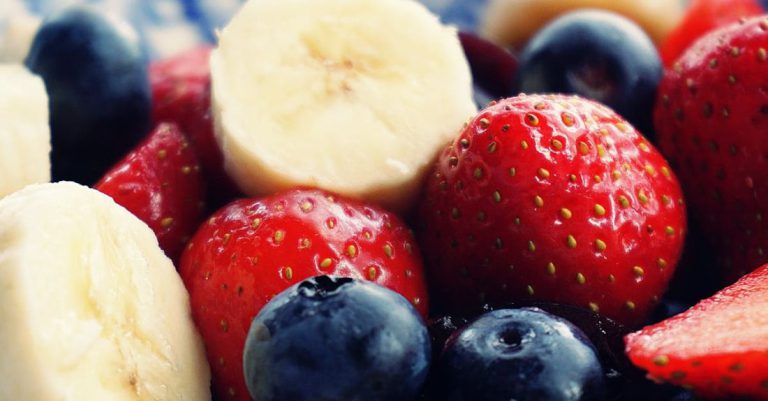
Vitamin C is a water-soluble vitamin that is well-known for its immune-boosting properties. It is a powerful antioxidant that helps protect cells from damage caused by free radicals and supports the immune system in fighting off infections. Vitamin C is also important for collagen synthesis, which is essential for maintaining healthy skin, bones, and connective tissues. Citrus fruits, strawberries, bell peppers, and broccoli are excellent sources of vitamin C.
Vitamin D: The Sunshine Vitamin
Vitamin D is unique among vitamins because our bodies can produce it in response to sunlight exposure. This vitamin plays a crucial role in maintaining strong bones and teeth by promoting calcium absorption. Vitamin D is also important for supporting immune function and reducing inflammation. Foods that are good sources of vitamin D include fatty fish, eggs, and fortified dairy products.
Vitamin E: The Antioxidant Vitamin
Vitamin E is a powerful antioxidant that helps protect cells from damage and supports immune function. It is also important for maintaining healthy skin and eyes. Nuts, seeds, and vegetable oils are good sources of vitamin E.
Vitamin K: The Clotting Vitamin
Vitamin K is essential for blood clotting and bone health. It helps regulate calcium levels in the body and supports bone mineralization. Leafy green vegetables, broccoli, and soybeans are rich sources of vitamin K.
Maintaining a Balanced Diet for Optimal Health
In conclusion, ensuring that you are getting an adequate intake of essential vitamins is crucial for overall health and well-being. While vitamins are readily available in a variety of foods, some individuals may benefit from taking a multivitamin supplement to fill any nutritional gaps. By maintaining a balanced diet rich in a variety of fruits, vegetables, whole grains, and lean proteins, you can support your body’s essential functions and promote optimal health for years to come.