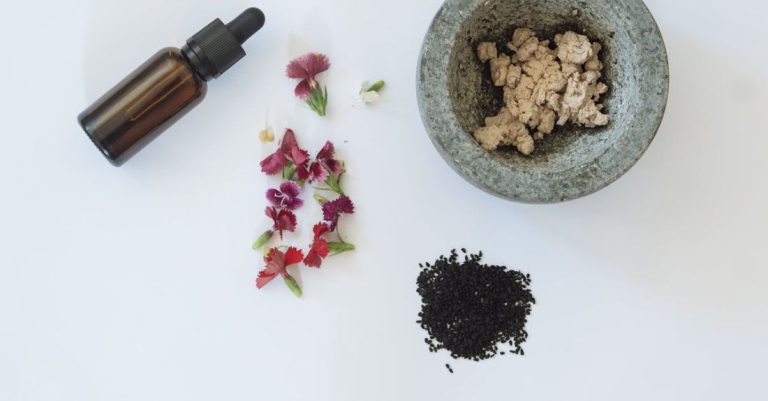
Sensitive skin can be a challenge to manage, as it often reacts to various factors, causing irritation, redness, and discomfort. If you have sensitive skin, you understand the importance of using gentle products and following a consistent skincare routine to maintain its health and appearance. In this article, we will explore some tips for managing sensitive skin effectively.
Understanding Your Skin Type
Before diving into a skincare regimen, it is essential to understand your skin type. Sensitive skin can be triggered by various factors such as harsh ingredients, weather conditions, stress, or certain foods. Knowing what triggers your skin reactions can help you make informed choices when selecting skincare products and adjusting your routine accordingly.
Selecting Gentle Products
One of the most crucial tips for managing sensitive skin is to choose gentle skincare products that are free of harsh chemicals, fragrances, and dyes. Look for products labeled as hypoallergenic, fragrance-free, and non-comedogenic, as these are less likely to cause irritation. Opt for mild cleansers, moisturizers, and sunscreen specifically formulated for sensitive skin to help maintain its natural balance.
Patch Testing New Products
When introducing new skincare products into your routine, it is essential to perform a patch test to check for any adverse reactions. Apply a small amount of the product on a small area of your skin, such as behind your ear or on your inner wrist, and wait for 24 hours to see if any redness, itching, or irritation occurs. If your skin reacts negatively, discontinue use immediately.
Avoiding Harsh Ingredients
Sensitive skin is prone to irritation from harsh ingredients like alcohol, sulfates, and artificial fragrances. When selecting skincare products, check the ingredient list and avoid products containing these potential irritants. Instead, opt for products with soothing ingredients such as aloe vera, chamomile, and oat extract to help calm and protect your sensitive skin.
Maintaining a Consistent Routine
Consistency is key when it comes to managing sensitive skin. Establishing a daily skincare routine that includes gentle cleansing, moisturizing, and sun protection can help keep your skin healthy and balanced. Avoid skipping steps in your routine, even on days when your skin may seem fine, as consistency can help prevent flare-ups and maintain your skin’s barrier function.
Protecting Your Skin from the Sun
Sun exposure can trigger sensitivity in the skin and worsen existing conditions such as rosacea and eczema. It is crucial to protect your skin from the sun’s harmful UV rays by wearing sunscreen with at least SPF 30 daily, even on cloudy days. Look for mineral-based sunscreens containing ingredients like zinc oxide and titanium dioxide, which are less likely to cause irritation.
Managing Stress Levels
Stress can exacerbate sensitive skin conditions by triggering inflammation and disrupting the skin’s barrier function. Finding ways to manage stress, such as practicing mindfulness, meditation, yoga, or engaging in hobbies you enjoy, can help improve your skin’s overall health. Prioritizing self-care and relaxation can have a positive impact on your skin’s sensitivity.
Seeking Professional Advice
If you struggle to manage your sensitive skin despite following these tips, it may be beneficial to consult a dermatologist or skincare specialist. They can assess your skin’s condition, identify triggers, and recommend personalized treatment options to help alleviate your skin concerns. Professional guidance can provide valuable insights and tailored solutions for your specific skincare needs.
In conclusion, managing sensitive skin requires a combination of gentle products, consistent routines, and awareness of potential triggers. By understanding your skin type, selecting suitable products, and following a skincare regimen tailored to your needs, you can help maintain your skin’s health and minimize sensitivity. Remember to listen to your skin’s needs, be patient with the process, and seek professional advice when necessary to achieve a healthy and radiant complexion.