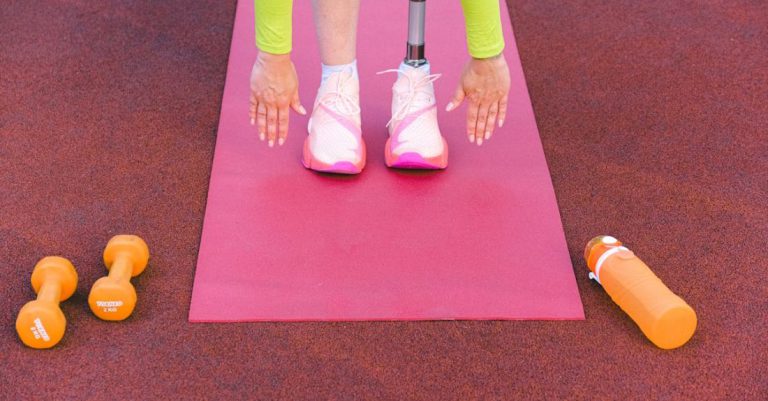
Whether you are a seasoned athlete or a casual gym-goer, post-workout recovery is a crucial aspect of any fitness routine. It is during the recovery period that your body repairs and grows stronger, allowing you to perform at your best during your next workout. By incorporating the best practices for post-workout recovery into your routine, you can optimize your progress and minimize the risk of injury. Here are some key strategies to help you recover effectively and efficiently.
**Stay Hydrated:**
One of the most essential components of post-workout recovery is staying hydrated. When you exercise, you lose fluids through sweat, and it is important to replenish these lost fluids to help your body recover. Dehydration can lead to muscle cramps, fatigue, and decreased performance. Aim to drink plenty of water both during and after your workout to support optimal recovery.
**Nutrition is Key:**
Fueling your body with the right nutrients after a workout is crucial for recovery. Consuming a combination of carbohydrates and protein within 30 minutes to an hour post-exercise can help replenish glycogen stores and promote muscle repair. Carbohydrates provide energy to fuel your muscles, while protein helps rebuild and repair muscle tissue. Including foods like lean meats, eggs, nuts, and fruits in your post-workout meal can support recovery and muscle growth.
**Get Adequate Rest:**
Rest is a crucial aspect of the recovery process. Your body needs time to repair and adapt to the stress of exercise. Aim to get at least 7-9 hours of quality sleep each night to support recovery and performance. During sleep, your body releases growth hormone, which plays a key role in muscle repair and growth. Prioritize rest and recovery to ensure that your body is ready for your next workout.
**Incorporate Active Recovery:**
While rest is important, incorporating active recovery activities into your routine can help promote blood flow, reduce muscle soreness, and enhance recovery. Activities like yoga, stretching, or light cardio can help loosen tight muscles and improve flexibility. Active recovery can also help reduce the buildup of lactic acid in your muscles, which can contribute to post-workout soreness. Including active recovery sessions in your routine can help you recover faster and feel better overall.
**Listen to Your Body:**
One of the most important aspects of post-workout recovery is listening to your body. Pay attention to how you feel both during and after your workouts. If you are feeling fatigued or excessively sore, it may be a sign that you need more rest or recovery time. Pushing through pain or fatigue can lead to overtraining and increase the risk of injury. Be mindful of your body’s signals and adjust your training intensity or rest periods as needed.
**Foam Rolling and Stretching:**
Foam rolling and stretching are effective recovery techniques that can help alleviate muscle tightness and improve flexibility. Foam rolling helps release tension in the muscles and fascia, promoting blood flow and reducing soreness. Incorporating foam rolling and stretching exercises into your post-workout routine can help enhance recovery and prevent injury. Focus on areas that are tight or sore to help improve mobility and reduce muscle tension.
**Hydrotherapy:**
Hydrotherapy, such as ice baths or contrast baths, can be beneficial for post-workout recovery. Ice baths can help reduce inflammation and muscle soreness by constricting blood vessels and decreasing blood flow to the muscles. Contrast baths, which involve alternating between hot and cold water, can help improve circulation and reduce muscle fatigue. Incorporating hydrotherapy into your recovery routine can help speed up the recovery process and reduce muscle soreness.
**Conclusion:**
Incorporating these best practices for post-workout recovery into your routine can help optimize your performance, prevent injury, and support overall health and well-being. By staying hydrated, fueling your body with the right nutrients, getting adequate rest, incorporating active recovery activities, listening to your body, and utilizing recovery techniques like foam rolling and hydrotherapy, you can recover faster and more effectively after your workouts. Prioritize recovery as an essential part of your fitness routine to achieve your goals and maintain a healthy and sustainable exercise regimen.