Proper Exercise Form: The Key to Injury Prevention
Exercise is crucial for maintaining overall health and well-being. However, the benefits of exercise can be easily overshadowed if proper form is not maintained during workouts. Poor exercise form not only hinders the effectiveness of the workout but also increases the risk of injuries. Understanding the importance of maintaining proper form while exercising is essential for preventing injuries and maximizing the benefits of physical activity.
The Role of Proper Exercise Form
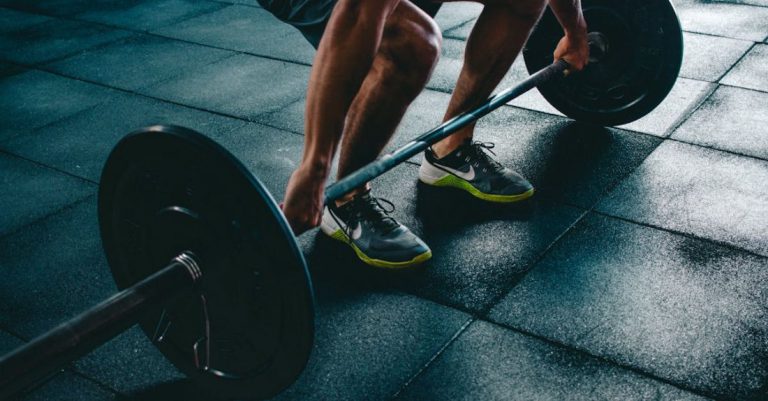
Proper exercise form refers to executing movements in a controlled and precise manner to target specific muscles effectively. It involves maintaining alignment, posture, and technique throughout each exercise. When form is compromised, muscles can be strained, joints can be stressed, and the risk of injury significantly increases.
By focusing on proper form, individuals can ensure that the intended muscles are being targeted and activated correctly during each exercise. This not only enhances the effectiveness of the workout but also reduces the likelihood of overcompensation by other muscle groups, which can lead to imbalances and potential injuries.
Subheading: Preventing Muscle Imbalances
One of the primary benefits of maintaining proper exercise form is the prevention of muscle imbalances. Muscle imbalances occur when certain muscles are overworked while others are underutilized. This can lead to poor posture, decreased performance, and an increased risk of injury.
When proper form is maintained during exercises, the load is distributed evenly among the targeted muscles, preventing imbalances from developing. By engaging the correct muscles and avoiding compensatory movements, individuals can improve muscular strength and balance, reducing the risk of strains, sprains, and other injuries.
Subheading: Protecting the Joints
Proper exercise form is essential for protecting the joints from unnecessary stress and strain. Joints are designed to move in specific ways, and deviating from these natural movement patterns can lead to joint pain, inflammation, and potential injuries.
Maintaining proper form during exercises helps to align the joints correctly and distribute the load evenly, reducing the risk of joint injury. By moving through a full range of motion with control and precision, individuals can strengthen the muscles around the joints and improve joint stability, decreasing the likelihood of wear and tear over time.
Subheading: Enhancing Performance
In addition to preventing injuries, proper exercise form plays a key role in enhancing performance during workouts. When movements are executed with proper form, the targeted muscles can work more efficiently, leading to greater strength gains, improved endurance, and enhanced overall fitness.
By focusing on technique and alignment, individuals can optimize their workouts and achieve better results in terms of strength, flexibility, and cardiovascular fitness. Proper form allows for greater muscle recruitment and activation, leading to more effective and productive workouts.
Subheading: Improving Body Awareness
Maintaining proper exercise form requires a high level of body awareness and mindfulness during workouts. By paying attention to alignment, posture, and technique, individuals can develop a better understanding of their body mechanics and movement patterns.
Improving body awareness through proper form can help individuals identify and correct imbalances, weaknesses, and compensations that may lead to injuries. By tuning into how their body moves and responds to exercise, individuals can make adjustments to their form to prevent injuries and optimize their performance.
Subheading: Conclusion
In conclusion, proper exercise form is essential for preventing injuries, improving performance, and enhancing overall fitness. By focusing on alignment, posture, and technique during workouts, individuals can target muscles effectively, prevent imbalances, protect joints, and optimize their training. Developing body awareness and mindfulness during exercise is key to maintaining proper form and reaping the full benefits of physical activity. Remember, quality over quantity when it comes to exercise form – your body will thank you in the long run.