Traditional Chinese Medicine (TCM) has been practiced for thousands of years and is still widely used today. It is a holistic approach to health and wellness that focuses on balancing the body’s energy flow to promote healing and prevent illness. Understanding the principles of TCM can provide valuable insight into this ancient healing system and its unique perspective on health and well-being.
The Five Elements Theory
In TCM, the Five Elements Theory is a fundamental concept that is used to understand the relationships between different aspects of the body and the environment. These elements—wood, fire, earth, metal, and water—are believed to be interconnected and to influence each other. Each element corresponds to specific organs, emotions, colors, and seasons. The balance of these elements within the body is essential for maintaining good health, and imbalances can lead to various physical and emotional issues.
Yin and Yang
Yin and Yang are opposing forces that are integral to the principles of TCM. Yin represents darkness, cold, and stillness, while Yang represents light, heat, and movement. The balance of Yin and Yang is crucial for optimal health, as an excess or deficiency of either can lead to illness. TCM practitioners aim to restore the harmony between Yin and Yang through various treatments such as acupuncture, herbal medicine, and dietary therapy.
Qi (Life Energy)
Qi is the vital energy that flows through the body along meridians, or energy pathways. According to TCM, good health depends on the smooth and balanced flow of Qi. When Qi becomes blocked or stagnant, illness can occur. TCM treatments are designed to unblock the flow of Qi and restore balance to the body’s energy system. Acupuncture, acupressure, and Qi Gong are all used to manipulate Qi and promote healing.
The Meridian System
In TCM, the body’s energy flow is regulated by a network of meridians that connect the body’s organs and tissues. There are 12 primary meridians, each corresponding to a specific organ system, as well as numerous secondary meridians. By stimulating specific points along these meridians, TCM practitioners can influence the flow of Qi and restore balance to the body. Acupuncture and acupressure are based on the principles of the meridian system and are commonly used in TCM practice.
The Concept of Zang-Fu Organs
TCM categorizes the body’s organs into two groups: Zang and Fu. Zang organs are considered yin and include the heart, liver, spleen, lung, and kidney. Fu organs are considered yang and include the gallbladder, stomach, small intestine, large intestine, bladder, and triple burner. Each organ system has its own functions and is associated with specific emotions and elements. TCM treatments focus on balancing the Zang-Fu organs to promote overall health and well-being.
Herbal Medicine
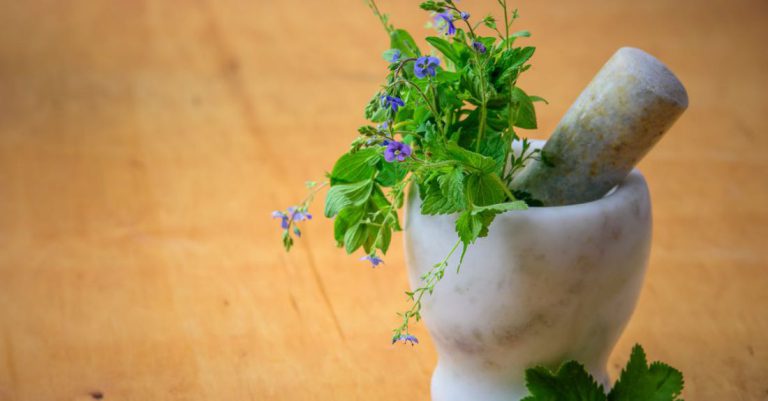
Herbal medicine is a central component of TCM and is used to treat a wide range of health conditions. TCM practitioners use a combination of herbs to create customized formulas that address the individual needs of each patient. Herbs are classified according to their taste, temperature, and therapeutic properties, and are often used in conjunction with other TCM modalities such as acupuncture and Qi Gong.
Conclusion: A Holistic Approach to Health
Traditional Chinese Medicine offers a holistic approach to health and wellness that focuses on balancing the body’s energy flow to promote healing and prevent illness. By understanding the principles of TCM, we can gain insight into the interconnectedness of the body, mind, and spirit, and the importance of maintaining balance for overall well-being. Through practices such as acupuncture, herbal medicine, and Qi Gong, TCM offers a unique perspective on health that continues to benefit millions of people around the world.