Holistic healing is an approach to healthcare that considers the whole person—body, mind, and spirit—in the quest for optimal health and wellness. Unlike conventional medicine, which often focuses solely on treating symptoms and specific diseases, holistic healing aims to address the root causes of illnesses by looking at the interconnectedness of various aspects of an individual’s life. This integrative approach takes into account factors such as diet, lifestyle, emotional well-being, and environmental influences to promote healing and prevent future health issues.
Understanding the Holistic Approach
Holistic healing is based on the belief that the body has an innate ability to heal itself when given the right support and conditions. Instead of just targeting the physical symptoms of a disease, holistic practitioners consider the emotional and spiritual well-being of the individual as well. This comprehensive approach recognizes that imbalances in one area of life can affect other areas, leading to physical symptoms and illnesses.
The Role of Mind-Body Connection
One of the fundamental principles of holistic healing is the mind-body connection. This concept acknowledges that our thoughts, emotions, and beliefs can have a profound impact on our physical health. Stress, for example, is known to weaken the immune system and contribute to a wide range of health problems. By addressing the underlying emotional and mental factors that may be contributing to an illness, holistic healing seeks to restore balance and promote healing from within.
Nutrition and Lifestyle Changes
Diet and lifestyle play a crucial role in holistic healing. A nutritious diet, rich in whole foods and essential nutrients, can support the body’s natural healing processes and boost overall health. Additionally, lifestyle factors such as exercise, sleep, and stress management can have a significant impact on well-being. Holistic practitioners often work with individuals to make positive changes in their diet and lifestyle to support healing and prevent future health issues.
Healing Modalities in Holistic Medicine
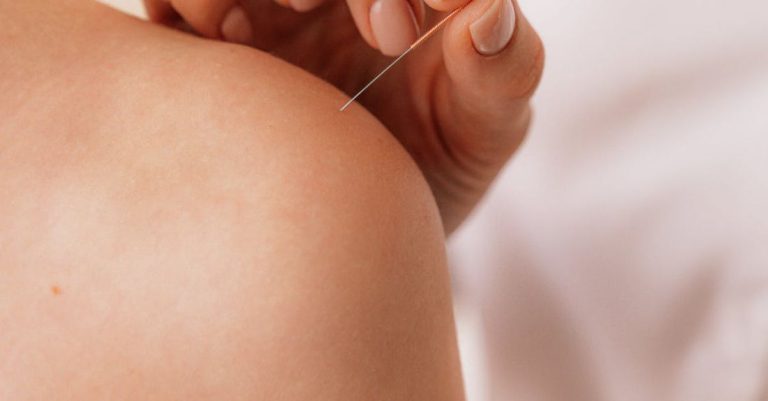
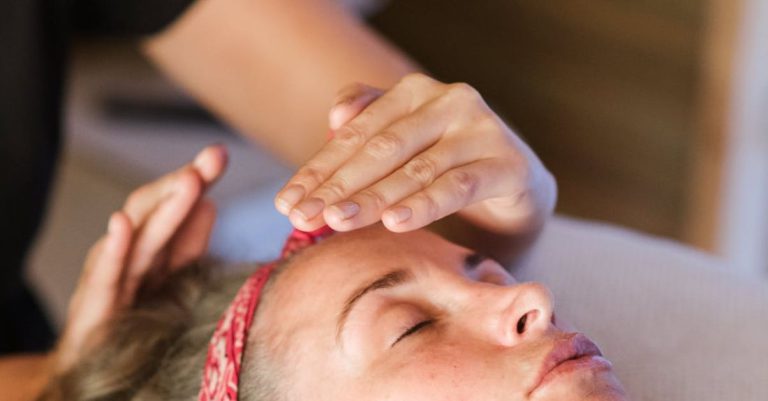
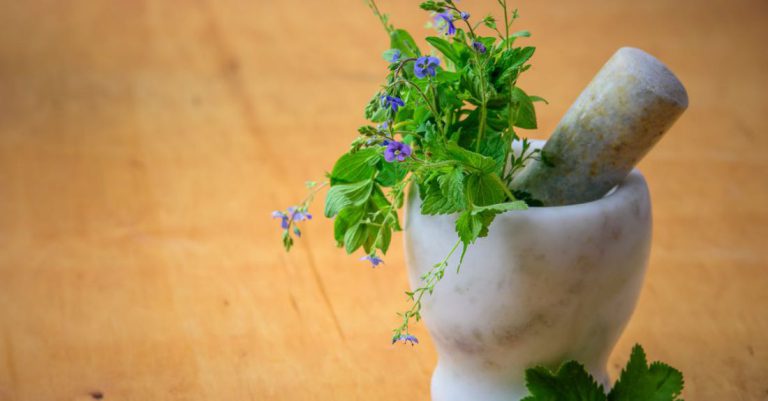
Holistic healing encompasses a wide range of healing modalities, including acupuncture, chiropractic care, herbal medicine, massage therapy, energy healing, and mindfulness practices like yoga and meditation. These modalities are used in combination to address the unique needs of each individual and promote holistic healing on physical, emotional, and spiritual levels. By integrating various healing approaches, holistic practitioners can create a comprehensive treatment plan that supports the body’s natural ability to heal.
Preventative Approach to Health
In addition to treating existing health issues, holistic healing places a strong emphasis on prevention. By addressing imbalances and risk factors before they manifest as physical symptoms, individuals can take proactive steps to maintain their health and well-being. This preventative approach may involve regular check-ups, screenings, and lifestyle modifications to support long-term health.
Empowering Patients
One of the key aspects of holistic healing is empowering patients to take an active role in their health and healing journey. Holistic practitioners work collaboratively with individuals to educate them about their health conditions, treatment options, and self-care practices. By providing the tools and knowledge needed to make informed decisions about their health, patients can become active participants in their healing process.
Holistic Healing in Modern Healthcare
As interest in alternative and integrative medicine continues to grow, holistic healing is gaining recognition and acceptance in modern healthcare settings. Many hospitals and healthcare institutions now offer holistic services alongside conventional treatments to provide patients with a more comprehensive approach to healing. By incorporating holistic principles into mainstream healthcare, individuals can access a wider range of treatment options and support their overall health and well-being.
In conclusion, holistic healing offers a comprehensive and integrative approach to treating illnesses by addressing the interconnectedness of body, mind, and spirit. By considering all aspects of an individual’s health and well-being, holistic practitioners can support the body’s natural healing processes and promote long-term health and vitality. Through nutrition, lifestyle changes, mind-body practices, and a variety of healing modalities, holistic healing empowers individuals to take control of their health and lead balanced, fulfilling lives.