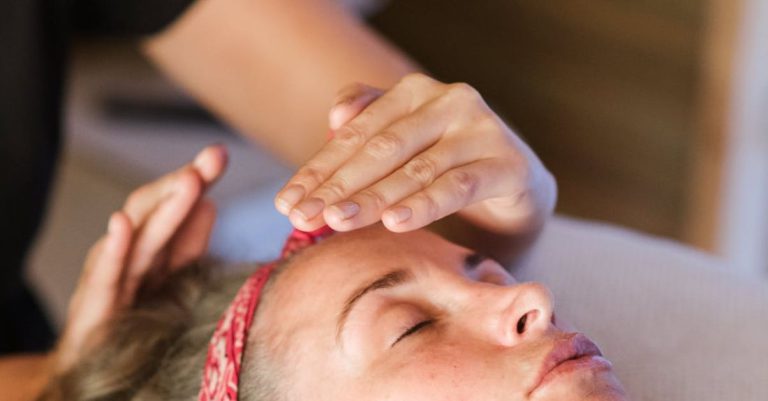
Naturopathy is a holistic approach to healthcare that aims to treat the root cause of health issues rather than just the symptoms. This alternative medicine practice focuses on natural remedies and therapies to help the body heal itself. By incorporating a variety of techniques and treatments, naturopathy seeks to promote overall wellness and balance in the body. Let’s delve into some of the key practices of naturopathy that set it apart from conventional medicine.
Understanding the Principles of Naturopathy
Naturopathy is based on several core principles that guide its approach to health and healing. These principles include the belief in the body’s inherent ability to heal itself, the importance of treating the whole person – mind, body, and spirit – and the idea that prevention is key to maintaining good health. By addressing the underlying causes of illness and focusing on prevention, naturopathy aims to support the body’s natural healing processes.
Utilizing Herbal Medicine
Herbal medicine is a central component of naturopathic treatments. Practitioners of naturopathy often prescribe herbal remedies to help support the body’s healing mechanisms. Herbs have been used for centuries for their medicinal properties, and naturopaths leverage this knowledge to address a wide range of health issues. From reducing inflammation to boosting the immune system, herbal medicine plays a crucial role in naturopathic practice.
Embracing Nutrition and Diet
Diet and nutrition are fundamental aspects of naturopathic care. Naturopaths emphasize the importance of eating a healthy, balanced diet to support overall health and well-being. By focusing on whole foods, nutrient-dense options, and personalized meal plans, naturopaths help their patients optimize their nutritional intake. Whether it’s addressing food sensitivities, promoting gut health, or managing weight, nutrition is a cornerstone of naturopathic practice.
Exploring Mind-Body Therapies
Naturopathy recognizes the interconnectedness of the mind and body, and as such, it incorporates various mind-body therapies into its treatment plans. Techniques such as meditation, yoga, acupuncture, and biofeedback are used to promote relaxation, reduce stress, and enhance mental and emotional well-being. By addressing the mind-body connection, naturopaths aim to improve overall health outcomes and help patients achieve a sense of balance and harmony.
Incorporating Physical Medicine
Physical medicine modalities, such as massage therapy, hydrotherapy, and manipulative techniques, are common in naturopathic practice. These hands-on therapies help improve circulation, alleviate pain, and enhance the body’s natural healing processes. By incorporating physical medicine into treatment plans, naturopaths can address musculoskeletal issues, improve mobility, and promote overall physical wellness.
Supporting Detoxification
Detoxification is another key practice in naturopathy, aimed at helping the body rid itself of toxins and impurities. Naturopaths may recommend various detox protocols, such as fasting, cleansing diets, and hydrotherapy, to support the body’s detoxification pathways. By supporting the liver, kidneys, and other organs involved in detoxification, naturopaths help patients optimize their body’s natural detox processes.
Promoting Lifestyle Modifications
In addition to specific treatments and therapies, naturopathy emphasizes the importance of lifestyle modifications in promoting long-term health and wellness. This may include recommendations for exercise, stress management techniques, sleep hygiene, and other lifestyle factors that can impact health. By empowering patients to make positive changes in their daily habits, naturopaths help support overall health and vitality.
Embracing a Patient-Centered Approach
One of the key tenets of naturopathy is its patient-centered approach to care. Naturopaths take the time to listen to their patients, understand their unique health concerns, and develop personalized treatment plans that address individual needs. By empowering patients to take an active role in their health and well-being, naturopaths foster a collaborative and supportive relationship that promotes healing and wellness.
Incorporating these key practices, naturopathy offers a holistic and individualized approach to health and healing. By focusing on natural remedies, lifestyle modifications, and patient-centered care, naturopaths help their patients achieve optimal health and well-being. Whether addressing chronic conditions, promoting preventive care, or supporting overall wellness, naturopathy provides a comprehensive and integrative approach to healthcare that can benefit individuals seeking alternative and holistic solutions.