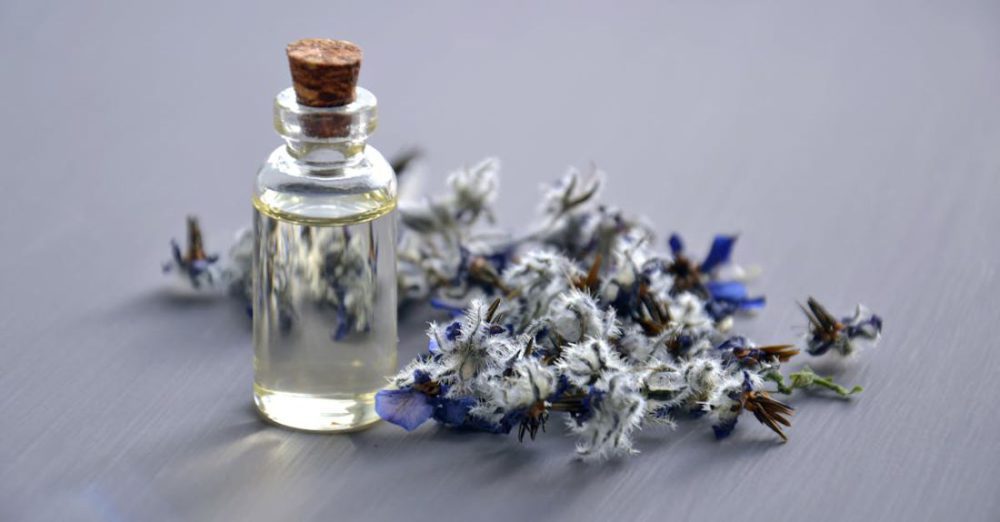
Aromatherapy, the practice of using essential oils extracted from plants to promote physical and psychological well-being, has been used for centuries across various cultures. The powerful scents of these oils can have a profound impact on our emotions and overall health. In recent years, aromatherapy has gained popularity as a complementary therapy to support healing in both traditional and alternative medicine practices. Let’s explore how aromatherapy supports healing through its various therapeutic properties.
**The Power of Scent**
Our sense of smell is closely linked to the limbic system in the brain, which is responsible for emotions, memories, and behavior. When we inhale essential oils, the aromatic compounds travel through the olfactory system and directly affect the limbic system, triggering emotional and physiological responses. This direct pathway explains why certain scents can evoke specific feelings or memories instantly.
**Stress Reduction and Relaxation**
One of the most well-known benefits of aromatherapy is its ability to reduce stress and promote relaxation. Essential oils such as lavender, chamomile, and bergamot have calming properties that can help alleviate anxiety, improve sleep quality, and reduce symptoms of stress-related disorders. By inhaling these soothing scents or using them in massage oils, individuals can create a sense of calm and inner peace amidst the chaos of daily life.
**Pain Management**
Aromatherapy has also been found to be effective in managing various types of pain, including headaches, muscle aches, and joint pain. Essential oils like peppermint, eucalyptus, and rosemary have analgesic and anti-inflammatory properties that can help alleviate discomfort and improve overall well-being. When applied topically or inhaled, these oils can provide natural relief without the side effects associated with pharmaceutical pain medications.
**Immune Support**
Certain essential oils possess antimicrobial, antiviral, and immune-boosting properties that can help strengthen the body’s natural defenses against infections and illnesses. Oils like tea tree, eucalyptus, and lemon have been used for their disinfectant and immune-stimulating effects, making them valuable tools in supporting overall health and well-being. Whether diffused in the air or applied to the skin, these oils can help create a healthier environment and enhance the body’s ability to fight off pathogens.
**Mood Enhancement**
Aromatherapy is a powerful tool for enhancing mood and emotional well-being. Essential oils like citrus oils, ylang-ylang, and rose can uplift the spirits, boost energy levels, and promote a positive outlook on life. By incorporating these mood-boosting scents into daily routines through diffusers, bath products, or massages, individuals can create a more harmonious and joyful atmosphere for themselves and those around them.
**Supporting Holistic Healing**
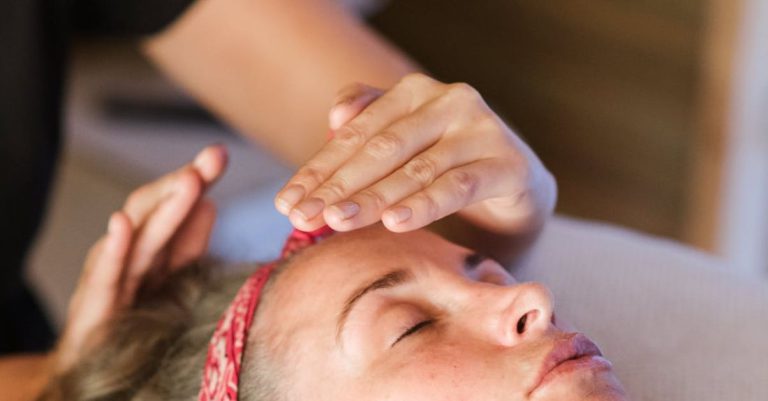
Aromatherapy is often used in conjunction with other holistic healing modalities such as massage therapy, acupuncture, and meditation to enhance the overall healing experience. The synergistic effects of combining aromatherapy with these practices can amplify the benefits and create a more profound sense of well-being. Whether used for relaxation, pain relief, immune support, or mood enhancement, aromatherapy can play a valuable role in promoting holistic healing on physical, emotional, and spiritual levels.
**In Summary**
Aromatherapy’s ability to support healing stems from its unique therapeutic properties that target both the mind and body. By harnessing the power of scent and the natural benefits of essential oils, individuals can experience a wide range of health benefits, from stress reduction and pain management to immune support and mood enhancement. Whether used as a standalone therapy or in conjunction with other healing modalities, aromatherapy offers a holistic approach to well-being that can positively impact overall health and quality of life.