Stress and anxiety have become prevalent issues in today’s fast-paced world, affecting millions of people worldwide. The constant pressure to perform, meet deadlines, and maintain a work-life balance can take a toll on our mental well-being. While there are various ways to combat stress and anxiety, one effective method that has gained popularity is practicing yoga. Yoga is not just a physical exercise; it is a holistic approach to wellness that can help reduce stress and anxiety by promoting relaxation, mindfulness, and self-awareness.
The Connection Between Yoga and Stress Reduction
Yoga is an ancient practice that originated in India and has been passed down through generations as a means of achieving harmony between the mind, body, and spirit. The physical postures, breathing techniques, and meditation practices in yoga work together to create a sense of calm and balance within the practitioner. By focusing on the present moment and connecting with the breath, yoga helps to quiet the mind and alleviate stress and anxiety.
The Power of Mindful Movement
One of the key aspects of yoga that makes it effective in reducing stress and anxiety is its emphasis on mindful movement. In yoga, practitioners are encouraged to move with awareness, paying attention to the sensations in the body and the breath with each movement. This mindfulness helps to bring the mind into the present moment, away from worries about the past or future that can contribute to stress and anxiety.
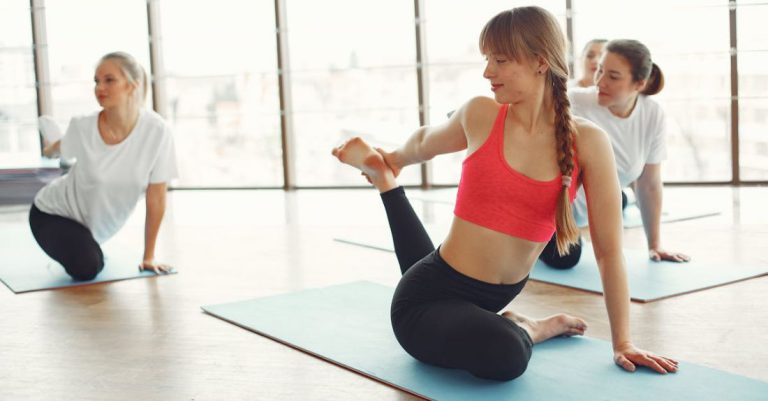
Through the practice of yoga postures, or asanas, individuals can release tension held in the body, promoting physical relaxation and reducing the physiological effects of stress. The controlled and deliberate movements in yoga help to increase body awareness, allowing practitioners to identify areas of tension and release them through gentle stretching and strengthening exercises.
Breathwork and Relaxation Techniques
Another powerful tool in the yoga toolkit for stress reduction is breathwork. The practice of pranayama, or breath control, helps to calm the nervous system and promote relaxation. Deep breathing techniques such as diaphragmatic breathing or alternate nostril breathing can help regulate the stress response in the body, reducing feelings of anxiety and promoting a sense of calm.
In addition to breathwork, relaxation techniques such as guided imagery, progressive muscle relaxation, and body scans are commonly incorporated into yoga classes to help practitioners release physical and mental tension. These practices can be particularly beneficial for those experiencing chronic stress or anxiety, as they provide a structured way to unwind and let go of stressors.
Embracing the Mind-Body Connection
Yoga is unique in its ability to address stress and anxiety by focusing on the mind-body connection. Through the practice of yoga, individuals can learn to observe their thoughts and emotions without judgment, cultivating a sense of self-awareness and acceptance. By tuning into the body’s signals and responding with compassion, practitioners can develop a greater sense of resilience in the face of stressors.
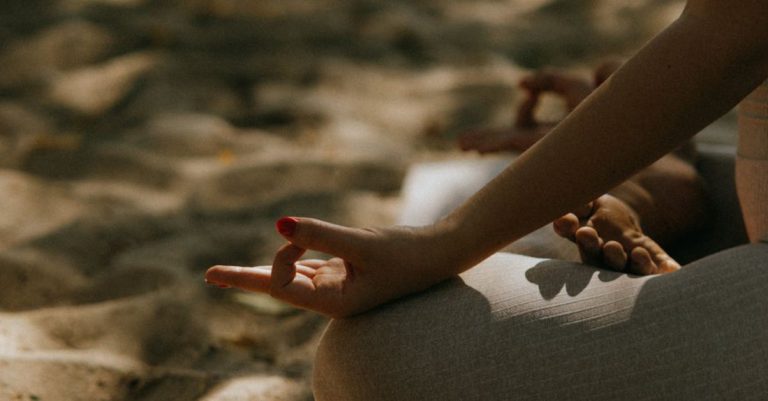
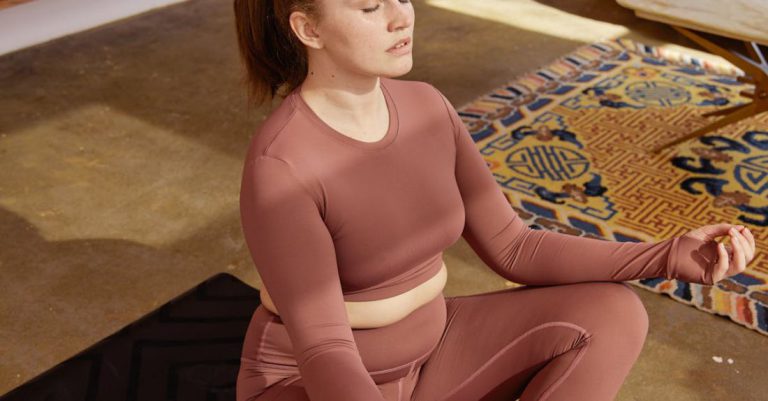
The meditative aspects of yoga also play a significant role in stress reduction, as mindfulness practices help individuals to stay present and grounded in the midst of life’s challenges. By cultivating a regular yoga practice that includes meditation and mindfulness techniques, individuals can build a toolkit for managing stress and anxiety in their daily lives.
Incorporating Yoga into Your Routine
If you are looking to reduce stress and anxiety in your life, incorporating yoga into your routine can be a valuable step towards greater well-being. Whether you choose to attend a class at a local studio, follow along with online videos, or create your own home practice, the benefits of yoga for stress reduction are well worth exploring.
By committing to a regular yoga practice, you can experience the transformative effects of mindful movement, breathwork, and relaxation techniques on your mental and emotional well-being. With consistent effort and an open mind, yoga can help you cultivate a sense of inner peace and resilience that can carry you through life’s challenges with greater ease.
In conclusion, the practice of yoga offers a powerful antidote to the stress and anxiety that have become all too common in our modern world. By embracing the mind-body connection, incorporating mindful movement and breathwork, and cultivating a sense of self-awareness, individuals can harness the healing potential of yoga to reduce stress and anxiety and promote overall well-being. So, roll out your mat, take a deep breath, and embark on a journey towards greater peace and balance through the practice of yoga.