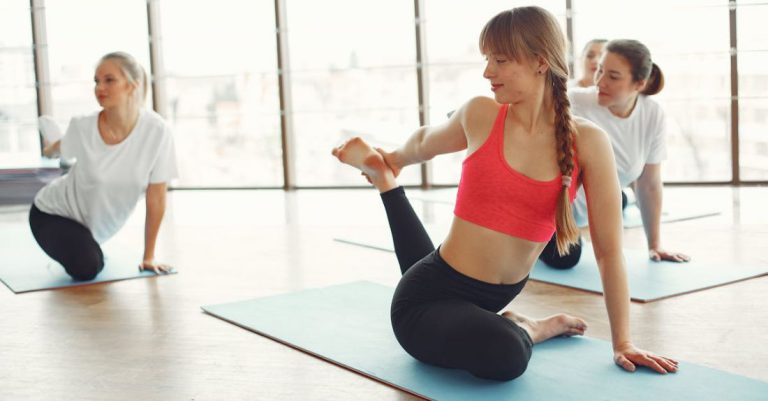
Yoga has been practiced for centuries as a means to promote physical, mental, and emotional well-being. One of the many benefits of incorporating yoga into your routine is its positive impact on posture. Poor posture can lead to a myriad of health issues, including back pain, neck strain, and reduced lung capacity. By engaging in regular yoga practice, individuals can experience significant improvements in their posture, leading to better overall health and well-being.
### Strengthening Core Muscles
One of the key ways in which yoga improves posture is by strengthening the core muscles. The core muscles, which include the abdominals, obliques, and lower back muscles, play a crucial role in supporting the spine and maintaining proper alignment. Through various yoga poses and sequences, individuals can target and engage these core muscles, helping to improve their overall posture. Poses such as Plank, Boat, and Warrior III require a strong core to maintain stability and balance, ultimately leading to better posture both on and off the mat.
### Increasing Flexibility
In addition to strengthening the core muscles, yoga also helps to increase flexibility throughout the body. Tight muscles can contribute to poor posture by pulling the body out of alignment and causing discomfort. By practicing yoga regularly, individuals can lengthen and stretch their muscles, releasing tension and allowing for better posture. Poses such as Downward-Facing Dog, Forward Fold, and Pigeon pose target tight areas such as the hamstrings, hips, and shoulders, helping to improve overall flexibility and alignment.
### Mind-Body Awareness
Another way in which yoga improves posture is by enhancing mind-body awareness. Yoga encourages practitioners to focus on their breath, alignment, and sensations within the body during each pose. By developing this mind-body connection, individuals can become more attuned to their posture throughout the day, making conscious adjustments to maintain proper alignment. This increased awareness can help prevent slouching, hunching, and other poor postural habits, leading to better overall posture and spinal health.
### Correcting Imbalances
Many individuals have muscular imbalances due to poor posture, repetitive movements, or sedentary lifestyles. These imbalances can lead to postural deviations such as rounded shoulders, anterior pelvic tilt, or swayback. Yoga can help correct these imbalances by targeting specific muscle groups and promoting symmetrical strength and flexibility throughout the body. Poses such as Tree pose, Triangle, and Bridge pose can help individuals identify and address areas of weakness or tightness, ultimately leading to improved posture and alignment.
### Stress Reduction
Stress and tension can also contribute to poor posture by causing tightness in the muscles, particularly in the neck, shoulders, and back. Yoga is known for its stress-reducing benefits, helping individuals relax both the body and mind through breathwork, meditation, and physical movement. By reducing stress levels, individuals can release tension in the body, allowing for better posture and alignment. Practices such as Savasana, Child’s pose, and Cat-Cow can help individuals unwind, release tension, and improve their overall posture.
### Conclusion: Embracing Better Posture Through Yoga
In conclusion, yoga offers a holistic approach to improving posture by strengthening core muscles, increasing flexibility, enhancing mind-body awareness, correcting imbalances, and reducing stress. By incorporating yoga into your routine, you can experience significant improvements in your posture, leading to better spinal health, reduced pain, and increased overall well-being. Whether you are a beginner or an experienced yogi, practicing yoga regularly can help you achieve better posture both on and off the mat. So roll out your mat, strike a pose, and embrace the transformative power of yoga for improved posture and a healthier you.