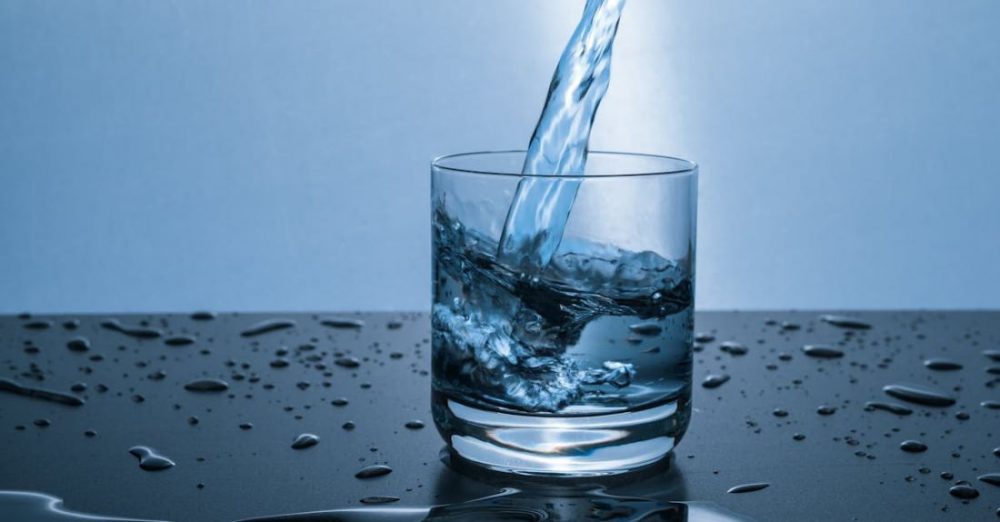
Hydration plays a crucial role in maintaining overall health and well-being. While it is commonly known that staying hydrated is essential for bodily functions, many people are unaware of the significant impact hydration has on metabolism. Metabolism refers to the process by which your body converts food and drink into energy. It is a complex biochemical process that involves various chemical reactions to sustain life. In this article, we will delve into how hydration affects your metabolism and why staying properly hydrated is key to optimizing your body’s metabolic functions.
The Influence of Hydration on Metabolism
Water is the essence of life, and it is no surprise that proper hydration is essential for maintaining a healthy metabolism. When your body is dehydrated, it can negatively impact your metabolic rate. Studies have shown that even mild dehydration can slow down your metabolism, leading to a decrease in energy expenditure. This means that when you are not adequately hydrated, your body may burn fewer calories, making it harder to maintain or lose weight.
Hydration and Thermogenesis
Thermogenesis is the process by which your body generates heat and burns calories to maintain its core temperature. Adequate hydration is crucial for facilitating thermogenesis as water plays a vital role in regulating body temperature. When you are well-hydrated, your body can efficiently produce heat and burn calories through thermogenesis. On the other hand, dehydration can hinder this process, leading to a decrease in calorie expenditure and potentially slowing down your metabolism.
Water’s Role in Digestion and Nutrient Absorption
Proper hydration is essential for optimal digestion and nutrient absorption, both of which are key components of a healthy metabolism. Water helps break down food in the digestive system, allowing nutrients to be absorbed more efficiently into the bloodstream. Without an adequate intake of water, digestion can be compromised, leading to potential nutrient deficiencies and a sluggish metabolism. By staying hydrated, you can support your body in properly digesting food and absorbing essential nutrients, which are vital for maintaining a robust metabolism.
Hydration and Exercise Performance
Exercise is a crucial factor in boosting metabolism and burning calories. Hydration plays a significant role in exercise performance and recovery. When you are dehydrated, your physical performance can suffer, making it challenging to engage in physical activities that can help rev up your metabolism. Proper hydration before, during, and after exercise is essential for maintaining energy levels, preventing fatigue, and supporting muscle function. By staying hydrated, you can optimize your exercise performance, allowing you to burn more calories and boost your metabolic rate effectively.
The Importance of Hydration for Weight Management
Maintaining a healthy weight is often a common goal for many individuals. Adequate hydration is a valuable tool in weight management efforts. By staying properly hydrated, you can support your metabolism in functioning optimally, allowing your body to efficiently burn calories and fat. Additionally, staying hydrated can help curb cravings and prevent overeating, as thirst can sometimes be mistaken for hunger. Incorporating a consistent and adequate intake of water into your daily routine can be a simple yet effective strategy for supporting weight management goals.
Hydration Tips for Boosting Metabolism
Now that you understand the significant impact of hydration on metabolism, here are some practical tips to help you stay properly hydrated and support your body’s metabolic functions:
– Aim to drink at least eight glasses of water per day, or more if you are physically active or live in a hot climate.
– Include hydrating foods in your diet, such as fruits and vegetables, which have high water content.
– Carry a reusable water bottle with you throughout the day to remind yourself to stay hydrated.
– Monitor your urine color as a simple indicator of hydration status; pale yellow urine is a sign of adequate hydration.
– Avoid excessive consumption of sugary drinks and caffeine, as they can contribute to dehydration.
By prioritizing hydration and making it a consistent part of your daily routine, you can support your metabolism in functioning optimally and contribute to overall health and well-being.
In conclusion, hydration plays a crucial role in supporting metabolism, energy expenditure, digestion, exercise performance, and weight management. By staying adequately hydrated, you can optimize your body’s metabolic functions and promote overall health. Remember to make hydration a priority in your daily routine to reap the benefits of a well-functioning metabolism and a healthier lifestyle.