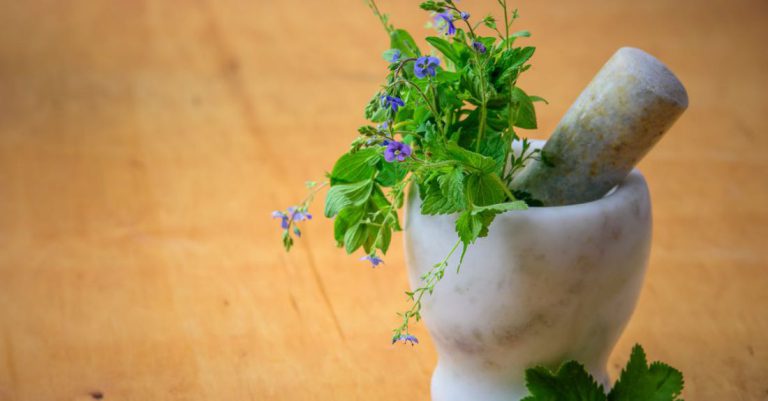
Ayurveda, an ancient healing system originating in India, is based on the fundamental principle of achieving balance within the body to promote overall health and well-being. This holistic approach to wellness encompasses various aspects of life, including diet, lifestyle, and herbal remedies, to harmonize the body, mind, and spirit. By understanding individual constitutions, or doshas, Ayurveda aims to identify and address imbalances to restore optimal health. Let’s delve into how Ayurveda promotes balance in the body through personalized care and natural therapies.
Understanding Doshas: The Key to Balance
Central to Ayurvedic philosophy is the concept of doshas, which are biological energies that govern various bodily functions. There are three primary doshas: Vata, Pitta, and Kapha, each representing different elements and qualities. Vata is associated with air and ether, Pitta with fire and water, and Kapha with earth and water. Every individual has a unique combination of these doshas, known as their prakriti, which determines their physical, mental, and emotional characteristics.
When the doshas are in balance, the body functions optimally, and one experiences good health. However, imbalances can occur due to factors such as poor diet, stress, lack of exercise, or environmental influences. Ayurveda seeks to identify these imbalances through a detailed assessment of an individual’s prakriti and vikriti (current state) to tailor treatment plans that address specific needs.
Balancing Doshas Through Diet and Lifestyle
Diet plays a crucial role in Ayurveda, as food is considered not only a source of nourishment but also a form of medicine. By consuming foods that are suitable for their dosha type, individuals can support their body’s natural balance. For example, those with a Vata constitution may benefit from warm, grounding foods like cooked grains and root vegetables to pacify their airy and light qualities. In contrast, Pitta types may find relief by incorporating cooling foods such as cucumber and coconut to counterbalance their fiery nature.
In addition to diet, lifestyle practices are essential in promoting doshic balance. Daily routines, or dinacharya, help align individuals with the natural rhythms of the day and prevent imbalances from occurring. Practices such as oil pulling, self-massage with warm oils, and meditation can help calm the mind, reduce stress, and enhance overall well-being. By making conscious choices that support their dosha type, individuals can create a harmonious environment within their bodies.
Herbal Remedies and Therapies for Balance
Ayurveda harnesses the healing properties of various herbs and botanicals to address specific imbalances and promote overall health. Herbal remedies are formulated based on the individual’s dosha type and can help restore equilibrium within the body. For example, Ashwagandha, an adaptogenic herb, is commonly used to support the nervous system and reduce stress, making it beneficial for Vata and Pitta types. Similarly, Triphala, a combination of three fruits, is known for its cleansing and detoxifying properties, making it suitable for Kapha imbalances.
In addition to herbal remedies, Ayurveda offers a wide range of therapeutic treatments, known as Panchakarma, to cleanse and rejuvenate the body. These treatments include procedures such as oil massage (abhyanga), herbal steam therapy (swedana), and nasal cleansing (neti), among others, to eliminate toxins, improve circulation, and restore balance to the doshas. By undergoing Panchakarma therapies under the guidance of trained practitioners, individuals can experience profound healing at a physical, mental, and emotional level.
Embracing Ayurveda for Holistic Well-Being
Ayurveda’s approach to promoting balance in the body goes beyond just treating symptoms; it seeks to address the root cause of imbalances and restore harmony within the individual. By understanding the unique constitution of each person and providing personalized care through diet, lifestyle modifications, herbal remedies, and therapeutic treatments, Ayurveda offers a comprehensive system for achieving optimal health and well-being.
Incorporating Ayurvedic principles into daily life can help individuals cultivate a deeper connection with their bodies, minds, and spirits, leading to greater balance, vitality, and longevity. Whether seeking relief from specific health concerns or striving for overall wellness, embracing Ayurveda can empower individuals to take charge of their health and embark on a transformative journey towards holistic well-being.