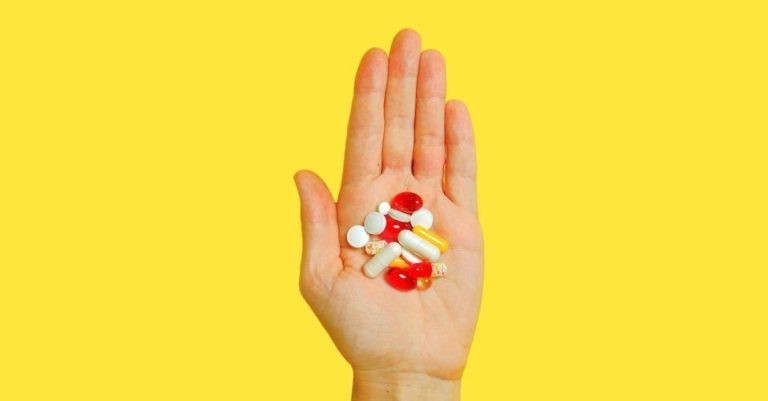
Probiotics have gained significant attention in recent years for their role in promoting digestive health. These live bacteria and yeasts provide numerous benefits to the gut, aiding in digestion and overall well-being. Let’s delve into how probiotics work to improve digestive health and why incorporating them into your daily routine may be beneficial.
**The Gut Microbiome**
The gut microbiome is a complex ecosystem of trillions of microorganisms, including bacteria, fungi, and viruses, that reside in the digestive tract. This diverse community plays a crucial role in maintaining overall health, influencing digestion, immunity, and even mental health. Disruptions in the balance of the gut microbiome can lead to various digestive issues, such as bloating, gas, constipation, and diarrhea.
**Balancing Gut Flora**
Probiotics work by introducing beneficial bacteria into the gut, helping to restore the balance of the microbiome. By increasing the population of good bacteria, probiotics can inhibit the growth of harmful bacteria that may cause digestive problems. This rebalancing act can help alleviate symptoms of digestive issues and promote smoother digestion.
**Enhancing Digestive Function**
One of the primary ways probiotics improve digestive health is by aiding in the breakdown and absorption of nutrients. These beneficial bacteria help break down complex carbohydrates, proteins, and fats, making it easier for the body to extract essential nutrients from food. Improved nutrient absorption can lead to better overall health and increased energy levels.
**Supporting Immune Function**
The gut plays a significant role in the body’s immune system, with a large portion of immune cells residing in the digestive tract. Probiotics help strengthen the gut barrier, preventing harmful pathogens from entering the bloodstream and causing infection. By supporting immune function in the gut, probiotics can help reduce the risk of gastrointestinal infections and inflammation.
**Alleviating Digestive Disorders**
Probiotics have been shown to be effective in managing various digestive disorders, such as irritable bowel syndrome (IBS), inflammatory bowel disease (IBD), and gastroenteritis. These conditions are often characterized by imbalances in the gut microbiome and inflammation in the digestive tract. By restoring balance and reducing inflammation, probiotics can help alleviate symptoms and improve the quality of life for individuals suffering from these disorders.
**Reducing Bloating and Gas**
Gas and bloating are common digestive complaints that can be uncomfortable and embarrassing. Probiotics can help reduce these symptoms by promoting the digestion of carbohydrates that can cause gas production. By breaking down these carbohydrates more efficiently, probiotics can prevent excess gas buildup in the gut, leading to reduced bloating and discomfort.
**Improving Bowel Regularity**
Constipation and diarrhea are common digestive issues that can disrupt daily life. Probiotics have been shown to help regulate bowel movements by promoting a healthy balance of gut bacteria. By improving digestion and nutrient absorption, probiotics can help alleviate constipation and provide relief from diarrhea by restoring normal bowel function.
**Choosing the Right Probiotic**
When selecting a probiotic supplement, it is essential to choose a product that contains strains known to benefit digestive health. Look for supplements that include Lactobacillus and Bifidobacterium strains, as these are among the most researched and effective probiotics for digestive issues. Additionally, consider factors such as the number of live cultures, the diversity of strains, and any specific health benefits offered by the supplement.
**Incorporating Probiotics into Your Routine**
Adding probiotic-rich foods to your diet, such as yogurt, kefir, sauerkraut, and kimchi, is an easy way to introduce beneficial bacteria into your gut. Alternatively, probiotic supplements can be taken daily to ensure a consistent supply of good bacteria. Remember that consistency is key when it comes to reaping the benefits of probiotics for digestive health.
**Embracing a Healthier Gut**
In conclusion, probiotics play a vital role in improving digestive health by balancing the gut microbiome, enhancing digestive function, supporting immune function, and alleviating various digestive disorders. By incorporating probiotics into your daily routine through supplements or probiotic-rich foods, you can promote a healthier gut and enjoy smoother digestion. Prioritize your gut health, and your digestive system will thank you with improved overall well-being.